Living with an anal fissure can be incredibly uncomfortable. Simple activities like sitting, walking, or even eating certain foods can worsen the condition. One of the most important aspects of managing and healing a fissure is knowing what to avoid in your diet. By steering clear of certain foods, you can reduce pain, prevent further irritation, and speed up the healing process. In this guide, we will outline what foods to avoid when dealing with a fissure and why dietary choices play a crucial role in recovery. Additionally, we’ll highlight why Jain Surgical Hospital, the best fissure hospital in Kota, is your go-to solution for expert care.
Why Diet Matters in Anal Fissures
Anal fissures are small tears in the lining of the anus, often caused by passing hard stools. The goal of managing fissures is to keep stools soft and avoid irritation. Diet plays a significant role in achieving this by:
- Reducing constipation.
- Minimizing inflammation.
- Promoting faster healing.
Knowing what to eat—and more importantly, what not to eat—is a key step toward recovery.
Foods to Avoid with a Fissure
1. Spicy Foods
Spicy foods, such as chilies, hot sauces, and spicy curries, can irritate the anal area during bowel movements. These foods may worsen pain and inflammation.
- Examples to Avoid: Red chilies, hot peppers, spicy chutneys, and heavily spiced dishes.
- Alternative: Opt for mild seasonings like herbs and non-spicy condiments.
2. Low-Fiber Foods
Foods low in fiber can lead to hard stools and constipation, which can aggravate fissures. Fiber is essential for maintaining soft stools and regular bowel movements.
- Examples to Avoid: White bread, refined pasta, processed snacks, and sugary cereals.
- Alternative: Choose whole grains like brown rice, oats, and whole wheat bread.
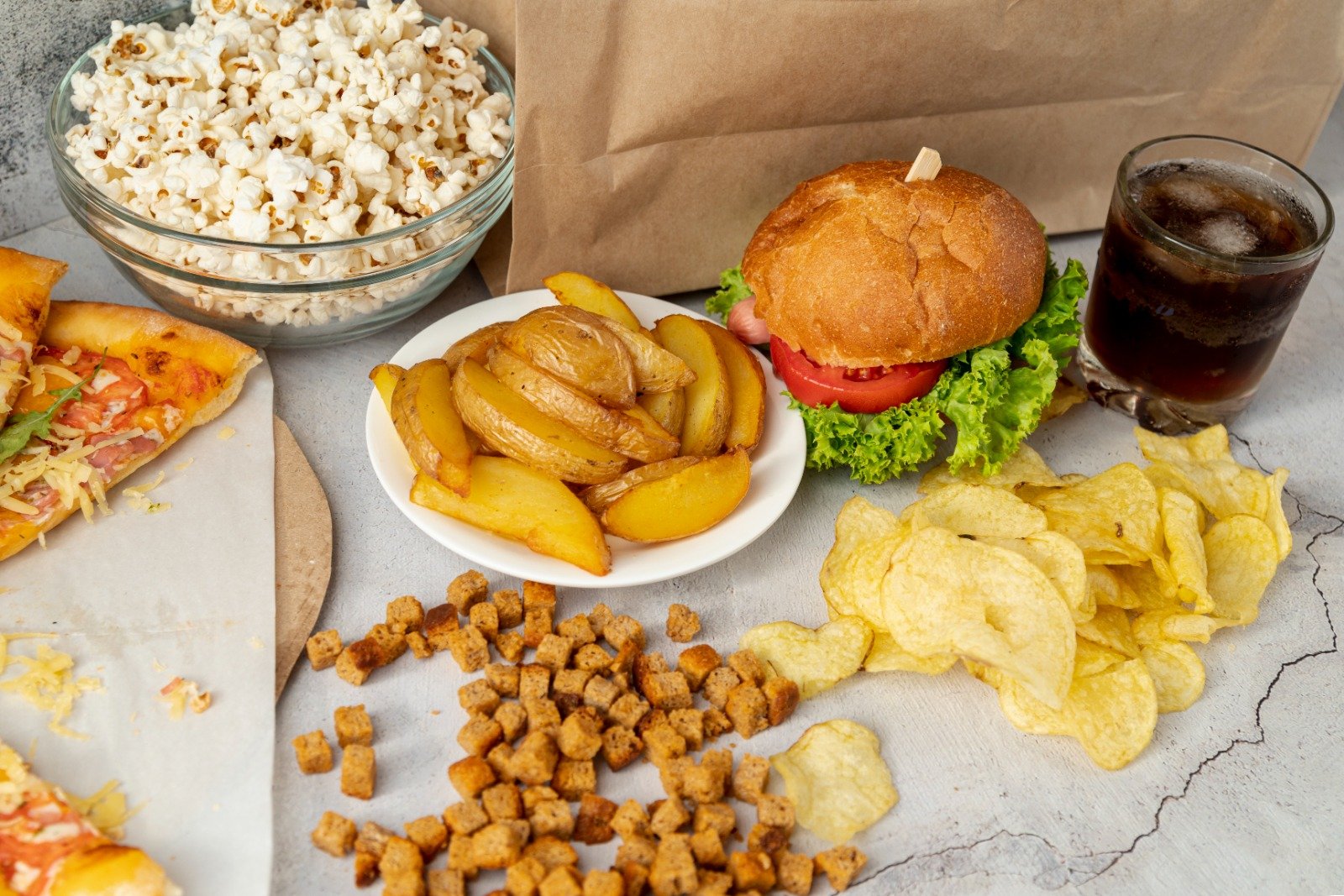
3. Fried and Oily Foods
Fried and greasy foods can slow down digestion, leading to constipation. They also contribute to weight gain, which can put extra pressure on the rectum.
- Examples to Avoid: Fried snacks, fast food, chips, and deep-fried items.
- Alternative: Bake, steam, or grill your meals for healthier options.
4. Dairy Products
Dairy products, particularly full-fat ones, can sometimes cause constipation in certain individuals. They may also worsen symptoms for those who are lactose intolerant.
- Examples to Avoid: Whole milk, cheese, cream, and ice cream.
- Alternative: Opt for plant-based milk like almond or oat milk, and reduce dairy intake.
5. Caffeinated Beverages
Caffeine can dehydrate the body, leading to harder stools and straining during bowel movements. It also acts as a diuretic, which can worsen dehydration.
- Examples to Avoid: Coffee, energy drinks, and certain teas.
- Alternative: Drink plenty of water and herbal teas.
6. Alcohol
Alcohol can dehydrate your body and disrupt digestion. This can result in harder stools, increasing the risk of pain and irritation from fissures.
- Examples to Avoid: Beer, wine, spirits, and cocktails.
- Alternative: Stick to water or non-alcoholic beverages.
7. Processed and Packaged Foods
Processed foods are often high in salt, preservatives, and unhealthy fats, which can worsen constipation and inflammation.
- Examples to Avoid: Instant noodles, frozen meals, packaged snacks, and canned goods.
- Alternative: Cook fresh meals using whole ingredients.
What to Eat Instead?
To promote healing and avoid aggravating fissures, focus on these dietary tips:
- High-Fiber Foods: Include fruits (like apples, pears, and prunes), vegetables (such as spinach and broccoli), and legumes (like lentils and chickpeas).
- Hydration: Drink plenty of water—aim for at least 8 glasses a day.
- Healthy Fats: Include nuts, seeds, and olive oil to lubricate your digestive system.
- Probiotic-Rich Foods: Yogurt with live cultures or fermented foods can improve gut health.
Why Choose Jain Surgical Hospital for Fissure Treatment?
Advanced Proctology Care
Jain Surgical Hospital is recognized as the best fissure hospital in Kota. With advanced diagnostic and treatment options, the hospital ensures effective and minimally invasive care for fissures.
Expert Medical Team
Led by Dr. Amrish Patodi, the best laparoscopic surgeon in Kota, our team is highly experienced in treating fissures and other anorectal conditions with precision and care.
Modern Facilities
As the best laparoscopic hospital in Kota, Jain Surgical Hospital is equipped with cutting-edge technology for painless and effective surgical procedures. This includes laser treatments for fissures, ensuring quicker recovery times and minimal discomfort.
Personalized Care
Every patient receives personalized attention, from dietary counseling to post-treatment follow-ups. Our goal is not just to treat the fissure but to ensure long-term health and comfort.
Frequently Asked Questions (FAQ)
1. Can diet alone heal a fissure?
While diet plays a significant role in managing fissures, severe cases may require medical intervention. Jain Surgical Hospital offers effective treatments to complement dietary changes.
2. How soon can I see results with a proper diet?
With consistent dietary adjustments and hydration, you may notice improvement within a few days. However, it’s essential to consult a specialist for long-term results.
3. What treatments are available at Jain Surgical Hospital for fissures?
We offer advanced treatments, including laser therapy and minimally invasive surgeries, for quick relief and recovery.
Conclusion
Avoiding certain foods is crucial for managing and healing anal fissures. By making smart dietary choices and seeking expert medical care at Jain Surgical Hospital, you can ensure a smoother and more comfortable recovery. Recognized as the best surgical hospital in Kota and a leader in laparoscopic care, Jain Surgical Hospital is here to support you every step of the way.